

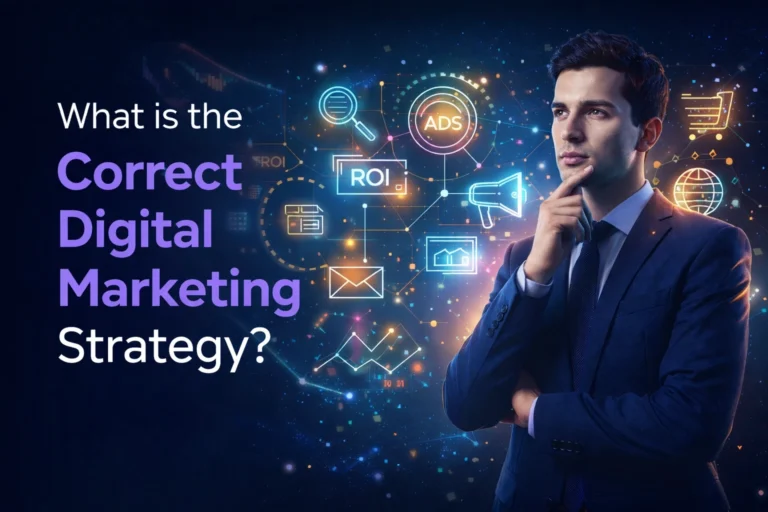
A digital marketing strategy is a long-term plan that businesses use to attract potential customers, build relationships, and generate revenue through online platforms.
It connects multiple digital channels, such as search engines, social media, email marketing, and websites, into a structured system that drives measurable results.
In the past, companies relied mainly on traditional advertising methods such as television, newspapers, and billboards. However, consumer behavior has shifted dramatically toward digital platforms.
Today, customers research products online before making decisions, read reviews, and compare brands across multiple websites.
A well-designed digital marketing strategy focuses on three important elements:
- Understanding the target audience
- Delivering valuable and relevant content
- Converting visitors into customers
For example, a SaaS company may attract traffic through SEO blog articles, nurture potential clients with educational webinars, and convert leads through product demonstrations or free trials.
Why Businesses Need a Strong Marketing Plan Today
The digital economy has expanded rapidly over the past decade, making online marketing one of the most important drivers of business growth.
Recent global reports show that:
| Industry Insight | Real Market Data |
| Global digital advertising spending | Over $667 billion in 2024 |
| Internet users worldwide | Around 5.35 billion users |
| Consumers researching online before buying | About 81% of shoppers do online research first |
These numbers clearly show that customers now interact with brands online before making purchasing decisions.
Without a clear digital marketing plan, businesses often struggle with inconsistent website traffic, poor lead generation, and inefficient advertising spending.
The Starting Point of a Digital Marketing Strategy

Market research is the foundation of any successful marketing strategy. Before launching campaigns, businesses must understand their audience, industry trends, and competitive landscape.
Market research helps answer important questions such as:
- Who is the ideal customer?
- What problems are customers trying to solve?
- Which platforms do they use most often?
- What marketing strategies are competitors using?
Understanding Customer Search Intent
For example:
| Search Query | Intent Type |
| “What is a digital marketing strategy?” | Informational |
| “Best digital marketing agency” | Commercial |
| “Hire digital marketing services.” | Transactional |
Understanding these differences allows businesses to design content that matches user expectations.
Competitor and Market Analysis
Competitor research reveals valuable insights about industry trends and market gaps.
Businesses analyze:
- Competitor websites
- Marketing campaigns
- Content strategies
This helps companies design a stronger digital marketing strategy that stands out in the market.
Setting Clear Goals and Measuring Marketing Success
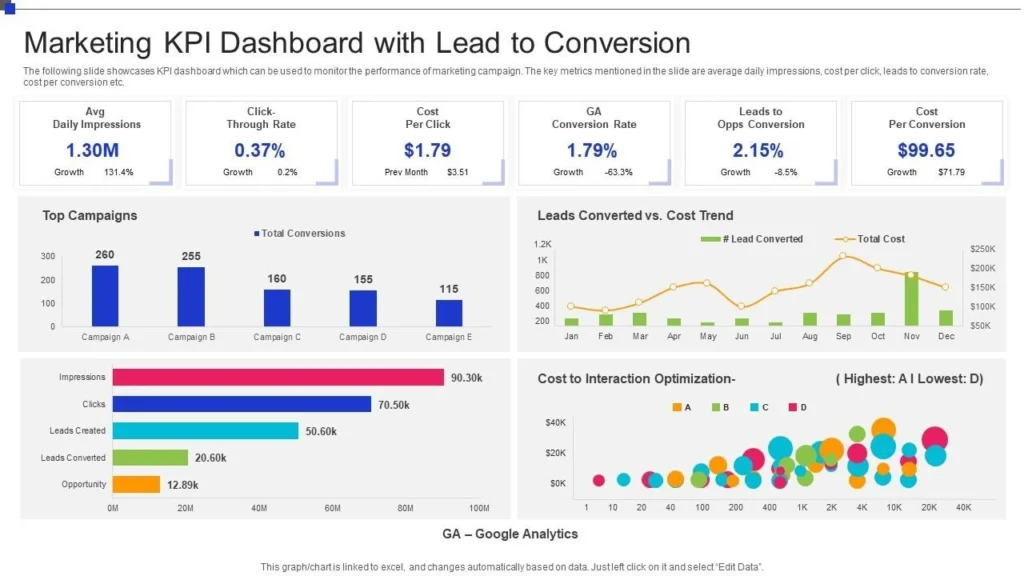
A successful marketing strategy requires measurable objectives. Without clear goals, it becomes difficult to evaluate whether marketing efforts are effective.
For example, instead of simply aiming to increase website traffic, a company might set a target to grow organic traffic by 40% within six months.
Important performance indicators often include:
- Website traffic growth
- Conversion rates
- Cost per lead
- Customer acquisition cost
Organizations that rely on data rather than assumptions are more likely to improve their marketing performance.
Choosing the Right Marketing Channels
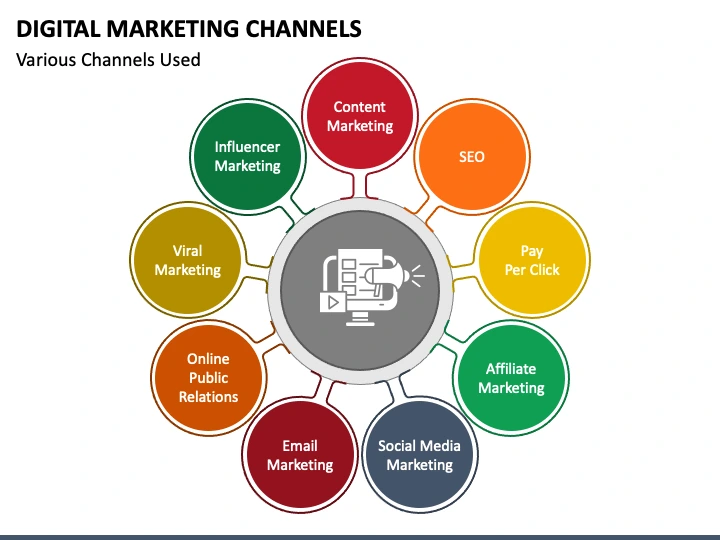
One of the most common mistakes businesses make is trying to use every digital platform simultaneously. Effective marketing strategies focus on the channels where the target audience is most active.
Organic Growth Channels
Organic channels help businesses build long-term visibility and credibility.
Examples include:
- Search engine optimization (SEO)
- Content marketing
- Social media engagement
- Video platforms such as YouTube
Paid Marketing Channels
Paid marketing helps businesses generate faster results. Platforms such as Google Ads and social media advertising allow marketers to target specific audiences.
The most effective strategies combine organic and paid channels to create a balanced marketing ecosystem.
Content Marketing as the Core of Your Strategy

Content marketing has become one of the most effective tools in modern digital marketing. Instead of interrupting customers with advertisements, businesses attract audiences by providing valuable information.
Research shows that companies publishing regular blog content generate significantly more leads compared to those without consistent content strategies.
Content formats may include:
- Blog articles
- Educational videos
- Case studies
- Infographics
Consistent publishing strengthens the entire online marketing strategy.
Understanding the Customer Journey and Marketing Funnel

Customers rarely purchase immediately after discovering a brand. Instead, they move through stages known as the marketing funnel.
| Funnel Stage | Customer Behavior |
| Awareness | Discovering a brand |
| Consideration | Comparing solutions |
| Decision | Choosing a product |
When marketing campaigns match these stages, businesses see higher engagement and better conversion rates.
Measuring and Improving Marketing Performance
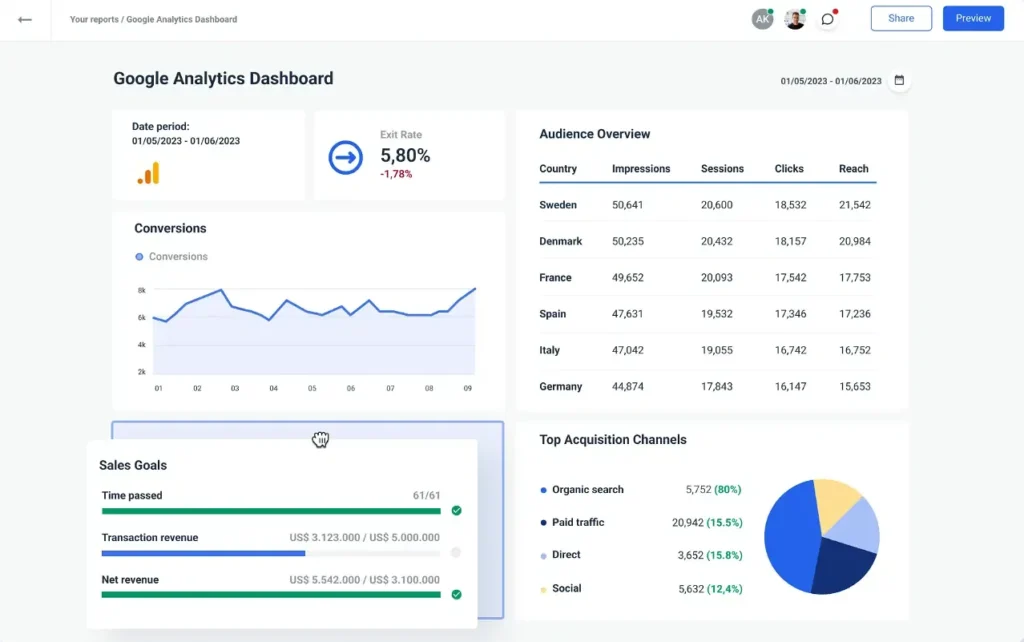
One major advantage of digital marketing is that results can be measured accurately.
Analytics platforms allow marketers to track:
- Traffic sources
- User engagement
- Conversion behavior
- Campaign performance
A common improvement technique is A/B testing, where marketers compare two versions of advertisements or landing pages.
Continuous optimization ensures that the digital marketing framework evolves with changing customer behavior.
How Kzashi Can Help With Digital Marketing Strategy

Developing a strong digital marketing strategy requires research, planning, and continuous optimization. Many businesses struggle to manage these components internally.
Kzashi helps companies build structured digital strategies based on real market insights and data analysis.
Their approach focuses on:
- SEO and organic traffic growth
- Strategic content marketing
- Paid advertising campaigns
- Conversion optimization
- Performance analytics
If your business wants a smarter, data-driven marketing strategy, Kzashi can help you achieve sustainable growth.
Final Thoughts
A successful digital marketing strategy is built on research, clear goals, the right marketing channels, and continuous optimization.
Businesses that follow structured strategies consistently outperform those relying on random marketing efforts.
Understanding customer behavior, using real market data, and adapting to trends help companies build marketing systems that deliver sustainable long-term growth.